



Bhutan Tour Package
Rs./Person
A Bhutan tour package is a structured travel programme designed to facilitate a complete and compliant visit to the Kingdom of Bhutan — a small, landlocked Buddhist monarchy nestled in the eastern Himalayas, bordered by India to the south, west, and east, and the Tibet Autonomous Region of China to the north. Bhutan, formally known as Druk Yul or “Land of the Thunder Dragon,” is governed by a constitutional monarchy under His Majesty King Jigme Khesar Namgyel Wangchuck and holds the extraordinary distinction of being the world’s only carbon-negative country. A Bhutan tour package for 4 nights and 5 days typically bundles round-trip airfare or land border crossing arrangements, Sustainable Development Fee (SDF) payments, licensed Bhutanese tour guide services, accommodation across Paro, Thimphu, and Punakha, all meals, internal road transfers, and monument entry fees into a single, government-compliant booking managed by a licensed Bhutan Tour Operator. Bhutan’s approach to tourism is philosophically distinct from every other destination on earth. The kingdom operates under a ‘High Value, Low Volume’ tourism policy, enforced through the Sustainable Development Fee — a mandatory daily levy charged to all international visitors that directly funds free healthcare, free education, and conservation programmes across the country. This policy means Bhutan will never become a mass-market destination; the number of visitors is inherently self-regulated by cost, making every Bhutan tour package an exclusive experience by design. Key topical entities in the Bhutan tourism landscape include Paro Taktsang, commonly known as Tiger’s Nest Monastery, a 17th-century Buddhist monastery built into a 900-metre cliff face and the single most iconic landmark in the Himalayan Buddhist world; Punakha Dzong, regarded as the most beautiful fortress-monastery in Bhutan, situated at the confluence of the Pho Chhu and Mo Chhu rivers; and Dochula Pass at 3,100 metres, adorned with 108 memorial chortens and offering panoramic views of the Bhutan Himalaya on clear days. From a search semantic and entity relevance perspective, a Bhutan tour package occupies a unique position in the Indian and global travel market. For Indian nationals, Bhutan requires no visa — only a valid passport or Voter ID card and an Entry Permit issued at Paro Airport or the Phuentsholing land border. The currency of Bhutan, the Bhutanese Ngultrum (BTN), is pegged at par with the Indian Rupee, making financial planning straightforward for Indian travellers. Bhutan’s Gross National Happiness (GNH) index, a policy framework that measures national prosperity through spiritual, environmental, and social wellbeing rather than purely economic metrics, has made the country one of the most discussed and aspirationally searched travel destinations in the world. The combination of Himalayan scenery, Vajrayana Buddhist culture, pristine ecology, and protected traditional architecture makes the Bhutan tour package one of the most semantically rich and travel-demand-generating products in the South Asian tourism ecosystem.
Highlights
- Trek to the iconic Tiger's Nest Monastery, perched dramatically on a 900-metre cliff face above the Paro Valley
- Marvel at the breathtaking Punakha Dzong, Bhutan's most beautiful fortress-monastery at the confluence of two sacred rivers
- Stand among 108 memorial chortens at Dochula Pass and soak in panoramic snow-capped Himalayan views
- Explore Thimphu, the world's only capital city with no traffic lights and fully protected traditional architecture
- Experience the evening Ganga Aarti-style Buddhist rituals at ancient monasteries and dzongs across the kingdom
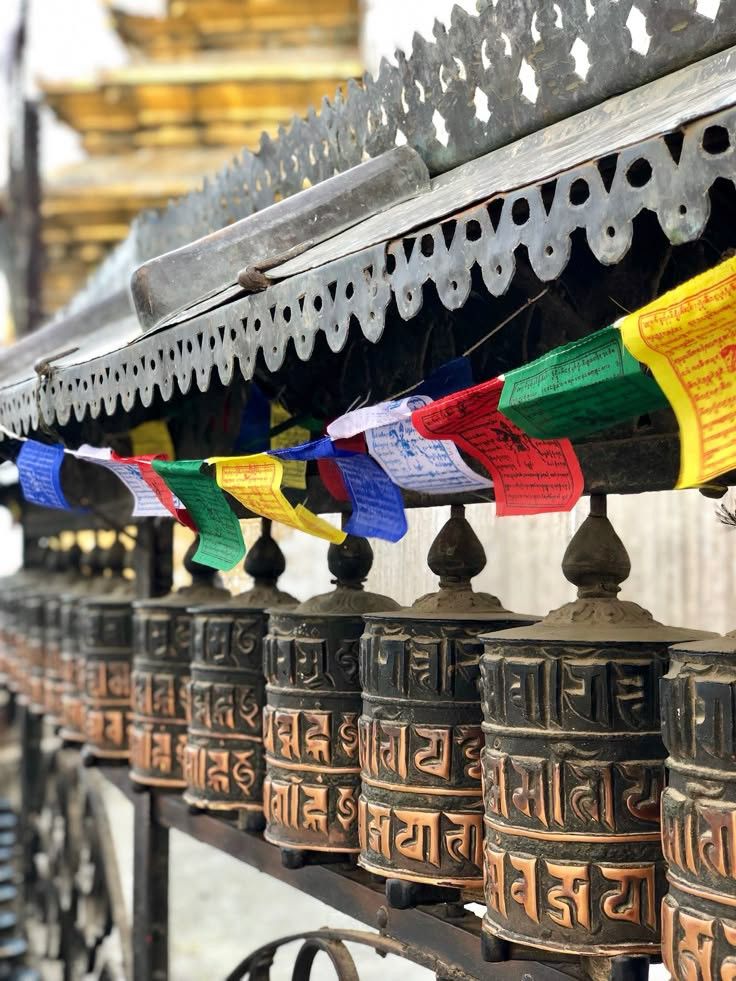
- Walk through pristine blue pine and rhododendron forests in one of the world's last truly carbon-negative countries Visit the towering Buddha Dordenma statue overlooking the Thimphu Valley in golden Himalayan light Discover Paro town's ancient temples, traditional farmhouses, and centuries-old watchtowers at a gentle, unhurried pace Witness living Vajrayana Buddhist culture — monks in crimson robes, spinning prayer wheels, and fluttering mountain prayer flags Enjoy a seamless journey as an Indian traveller — no visa, currency at par with the rupee, and direct flight connections Every package includes a licensed Bhutanese guide, all meals, comfortable accommodation, and full government compliance Travel with the assurance that your visit directly funds free healthcare, free education, and conservation across the kingdom
Included and Excluded
- 4 nights accommodation as per package category (full board)
- All meals: breakfast, lunch & dinner throughout
- Licensed Bhutanese national guide for all 5 days
- Private air-conditioned vehicle (Toyota Land Cruiser / Innova)
- All monument and dzong entry fees as per itinerary
- Tiger’s Nest hike with guide (horse available at extra cost)
- Dochula Pass drive & 108 Chortens visit C
- All applicable Bhutan government taxes & levies
- Return airfare: Gateway city ↔ Paro (Druk Air / Bhutan Airlines)
- Bhutan Tourism Entry Permit processing fee
- Alcoholic beverages & soft drinks unless specified
- Tips for guide, driver & hotel staff
- Travel insurance (strongly recommended)
- Any international airfare surcharges or taxes
- Optional adventure activities (rafting, mountain biking, archery)
- Hot stone bath (dotsho) — available at extra charge
- Cost due to road closure, landslide or weather disruption
- Medical expenses & emergency evacuation costs
- Sustainable Development Fee (SDF) — INR 1,200/day Indians, USD 100/day others
- Personal & shopping expenses
Tour Plan
Arrival at Paro International Airport. Your licensed guide and driver meet you at the arrivals hall. Entry permit verification at the immigration checkpoint. Welcome with a traditional white khata scarf, the Bhutanese gesture of respect and greeting. • Drive to your hotel for check-in. Take 30 to 60 minutes to rest and begin acclimatising to the altitude. Drink plenty of water; avoid exertion on the first afternoon. • Afternoon: Visit Rinpung Dzong (Paro Dzong) — a massive 17th-century fortressmonastery perched above the Paro Chhu river. The dzong serves as the administrative and religious centre of Paro district. Its whitewashed walls, golden roofs, and elaborately carved wooden joinery represent the pinnacle of Bhutanese dzong architecture. The cobblestone bridge leading to the main gate, the courtyards alive with monks in burgundy robes, and the painted murals within the assembly halls create an experience of stepping directly into a living medieval world. • Late Afternoon: Walk across the Nyamai Zampa cantilever bridge over the Paro Chhu river, a traditional wooden bridge that has stood for centuries. Continue to the National Museum of Bhutan (Ta Dzong), housed in a circular watchtower overlooking the valley, for an introduction to Bhutanese history, natural history, and traditional crafts. • Evening: Explore Paro town’s main street — a single lane of traditional Bhutanese shop fronts painted in the national style, selling incense, thangka paintings, hand-woven kira (women’s dress fabric), and local butter lamps. The pace is gentle, the air crisp and pinescented. Overnight stay at Paro hotel. Full board dinner featuring Bhutan’s national dish Ema Datshi — a warming, deeply flavoured chilli and cheese stew — along with red rice from the Paro Valley, momos (steamed dumplings), and buckwheat pancakes.
After breakfast, depart Paro for Thimphu — Bhutan’s capital city and the world’s only national capital without a single traffic light. The 54-kilometre drive along the Paro-Thimphu highway follows the Wang Chhu river through a valley of blue pine and mixed broadleaf forest, with farmhouses painted in traditional style on both sides. Journey time is approximately one hour. • Buddha Dordenma Statue: Your first stop in Thimphu is the colossal 51.5-metre-tall gilded Buddha Dordenma seated on a hilltop above the Kuenselphodrang Nature Park. One of the largest Buddha statues in the world, it houses 125,000 smaller Buddha figures made of bronze and gilded in gold within its body. The panoramic view of the Thimphu valley from the statue’s platform is one of the finest in the capital. • Tashichho Dzong: Thimphu’s great fortress-monastery, the seat of the Bhutanese government and the official summer residence of His Majesty the King. The dzong’s white towers, golden roofs, and manicured grounds beside the Wang Chhu river are a landmark of extraordinary visual power. The interior assembly halls are accessible to visitors (exterior and courtyard during government hours). • Changangkha Lhakhang: A 15th-century hilltop temple overlooking Thimphu, one of the oldest religious structures in the valley. Bhutanese parents traditionally bring newborn children here to receive a name and blessing. The monks’ prayers, the smell of juniper incense, and the strings of prayer flags strung between the towers against a mountain sky create an atmosphere of deep peace. Overnight stay at Thimphu hotel. Evening free to explore the Clock Tower Square and Thimphu’s growing restaurant scene, which now includes Bhutanese, Indian, Italian, and Japanese cuisines.
Day 3 delivers the most geographically spectacular drive of the entire Bhutan circuit. The road from Thimphu to Punakha climbs steeply through dense blue pine forest to the Dochula Pass at 3,100 metres before descending into the Punakha valley at 1,200 metres — a 1,900-metre elevation drop that takes you from alpine cold into subtropical warmth within two hours of driving. Pack both a fleece and a light shirt. • Dochula Pass: At the summit, 108 memorial chortens (Druk Wangyal Chortens) stand in concentric circles on the hillside, built by Her Majesty the Queen Mother Ashi Dorji Wangmo Wangchuck in honour of Bhutanese soldiers. On a clear winter morning, the entire eastern Himalayan range is visible from Dochula: Masagang (7,194m), Tsendagang (6,960m), Terigang (7,060m), and the partially visible summit of Gangkhar Puensum (7,570m) — the world’s highest unclimbed peak. Even in spring and autumn, the view on a clear day is one of the most breathtaking mountain panoramas in the Himalayas. • Chimi Lhakhang (Temple of the Divine Madman): A 15th-century temple built by the eccentric Buddhist saint Lama Drukpa Kunley, known as the ‘Divine Madman,’ who used unconventional and often ribald methods to spread Buddhist teachings. The temple is a pilgrimage site for couples seeking fertility blessings and for travellers seeking a genuinely unusual and joyful encounter with Bhutanese folk Buddhism. The 20-minute walk through rice fields to reach the temple is itself a beautiful introduction to rural Punakha village life. • Evening: Walk along the Mo Chhu riverbank at sunset. The light on the Punakha Dzong walls at dusk — warm gold reflecting off the white walls above the dark green river — is one of the most photographed scenes in Bhutan. Overnight stay at Punakha hotel. Full board dinner. Punakha’s lower altitude and warmer temperature make for the most comfortable sleeping night of the trip.
Day 4 begins with one last Punakha experience before the return drive to Paro, where you will rest and prepare for the centrepiece of the entire journey — the Tiger’s Nest hike on Day 5. The morning is active and scenic; the afternoon is deliberately gentle. • Punakha Suspension Bridge: Bhutan’s longest suspension bridge stretches 160 metres above the Pho Chhu river, swaying gently in the mountain breeze, draped in prayer flags, and offering one of the finest valley views in the country. The walk across is mildly vertiginous and entirely thrilling, with the turquoise river far below and forested ridgelines on every side. • Khamsum Yulley Namgyal Chorten: A 45-minute riverside walk through rice paddies and apple orchards leads to this four-story chorten perched on a hilltop, built between 1992 and 1999. The interior paintings are among the finest examples of contemporary traditional Bhutanese art. The view from the roof of the Punakha valley — the river, the dzong, the forested slopes — is extraordinary. • Drive back over Dochula Pass to Paro. Stops for tea at the Dochula Pass cafeteria with mountain view on clear days. • Afternoon: Rest and altitude preparation for tomorrow’s Tiger’s Nest hike. Drink plenty of water, eat lightly, and walk rather than sit to keep the body active. If your hotel offers a hot stone bath (dotsho), this afternoon is the ideal time to experience this traditional Bhutanese wellness treatment — river stones heated over wood fires and placed in a cedar tub, the mineral-rich water easing every muscle in the body. • Evening: Paro town’s archery ground — archery is Bhutan’s national sport, practiced with traditional bamboo bows and modern compound bows side by side. Watching local players shoot at targets 145 metres apart while their teammates sing and dance to distract the opposing archer is one of the most joyfully surreal cultural experiences Bhutan offers. Early dinner and early sleep. Tomorrow requires departure by 7 AM for the best light and the most rewarding Tiger’s Nest experience. Overnight stay Paro. • Depart for the Tiger’s Nest trailhead by 7 AM. The trail begins through a forest of blue pine, rhododendron, and oak, ascending steadily. The morning air in Paro Valley at 7 AM is cold, sharp, and clear, scented with pine resin and incense from the farmhouses below the trail. • First viewpoint (approximately 1.5 hours from trailhead): The monastery comes into full view for the first time — four white and gold buildings impossibly attached to a cliff face 900 metres above the valley floor. This is where most travellers stop walking for a few minutes. Not to rest. To look. Horses are available for hire from the trailhead to this viewpoint for travellers who need assistance on the lower trail. • The cafeteria at the halfway point offers tea, coffee, and light snacks with the best fixed viewpoint of the monastery. Spend 15 minutes here before continuing the final ascent. • Final approach: The trail descends sharply to a waterfall, crosses a bridge, and climbs stone steps cut directly into the cliff face. You enter the monastery complex through a low gate. Inside: the sacred Taktsang Senge Samdup cave where Guru Rinpoche meditated, multiple temple rooms with ancient Buddhist murals, butter lamp offerings flickering in the dim interiors, and the smell of juniper and incense that has saturated these walls for 350 years. • The descent (approximately 1.5 hours) is gentler on the lungs but harder on the knees. Take it slowly and enjoy the valley views opening up as you descend through the forest. • Return to Paro by noon for lunch. Post-lunch: Kyichu Lhakhang — one of Bhutan’s oldest and most sacred temples, built in 659 CE by Tibetan Emperor Songtsen Gampo as one of 108 temples constructed across the Himalayan region to pin down a demon and spread Buddhism. The temple’s two buildings, its ancient butter lamps, and the orange trees in the courtyard create an atmosphere of extraordinary antiquity and peace. This is often the visit that leaves the deepest impression on spiritual travellers — quieter than Tiger’s Nest, older, and more intimate. • Transfer to Paro Airport for evening departure flight back to your gateway city. The flight out of Paro offers one final mountain panorama as the aircraft climbs steeply out of the valley and turns west